

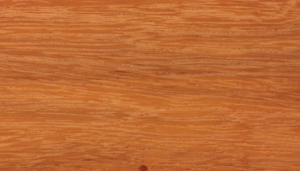
Tali, scientifically known as Erythrophleum ivorense, is a hardwood timber species native to West and Central Africa. It is a member of the pea family (Fabaceae) and is valued for its strength, durability, and attractive appearance. Tali timber is commonly used in various applications, and here are some key characteristics and uses
| Color and Appearance | Tali timber typically has a light to medium reddish-brown color, sometimes with darker streaks. The wood may darken with age and exposure to light. It has a straight grain and a coarse texture |
| Density and Hardness | Tali is a dense and hard hardwood, providing good strength and durability. It is known for its resistance to wear and impact |
| Workability | Tali is generally easy to work with both hand and machine tools. It has good machining properties and finishes well. However, some care may be needed when nailing or screwing due to its density |
| Durability | Tali is considered durable and has good resistance to decay and insect attacks. It performs well in various environmental conditions |
| Applications | – **Heavy Construction:** Tali timber is commonly used in heavy construction projects, including bridge building, railway sleepers, and marine construction. – **Flooring:** Its hardness and durability make Tali suitable for hardwood flooring. – **Outdoor Construction:** Tali is employed in decking, fencing, and other outdoor structures. – **Furniture:** Tali is used in the production of furniture, especially where a hard and durable wood is desired. – **Veneer:** Tali is sliced or peeled to produce decorative veneers for use in furniture and paneling. |
| Utility Poles | Due to its strength and durability, Tali is sometimes used for the production of utility poles for electrical and telecommunication lines |