

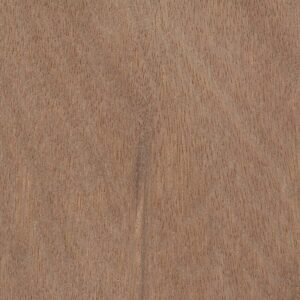
Okoumé (Aucoumea klaineana) is a timber species native to Central and West Africa. It is particularly well-known for its use in the production of plywood. Here are some key characteristics and uses of Okoumé timber:
| Appearance | Okoumé wood typically has a light pink to light brown color, which can darken with age. The wood has a straight grain and a fine, even texture |
| Weight | Okoumé is a lightweight timber, making it suitable for applications where weight is a critical factor, such as in the construction of boats and aircraft |
| Durability | While not highly durable in its natural state, Okoumé can be susceptible to decay and insect attacks. However, it can be treated with preservatives to improve its resistance to decay |
| Plywood Production | One of the primary uses of Okoumé is in the production of plywood. The wood’s lightweight and uniform texture make it well-suited for this purpose. Okoumé plywood is widely used in the construction of boats, interior paneling, furniture, and other applications where a stable and lightweight panel is required |
| Boatbuilding | Due to its lightweight properties and resistance to water, Okoumé is commonly used in the construction of boats and marine applications. It is favored for both the hull and interior components of boats |
| Furniture and Joinery | Okoumé is used in furniture making, joinery, and interior applications where a stable and light-colored wood is desired |
| Doors and Windows | The wood’s stability and ease of working make it suitable for the production of doors and windows. |
| Veneer | Okoumé is often used to produce decorative veneers for various applications |
It’s worth noting that Okoumé is a commercially important timber species, and responsible forestry practices are essential to ensure its sustainable use. The popularity of Okoumé plywood, especially in marine applications, has led to its widespread cultivation in plantations to meet demand while reducing pressure on natural forests.