

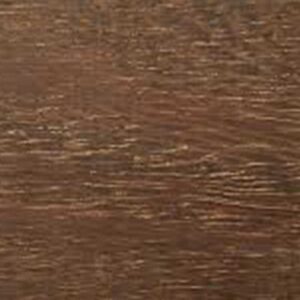
Azobe, scientifically known as Lophira alata, is a hardwood timber species native to tropical West and Central Africa. This timber is commonly used in various construction applications due to its exceptional strength and durability. Here are some key characteristics and uses of Azobe timber
| Color and Appearance | Azobe timber typically has a dark reddish-brown to chocolate-brown color. The wood can darken with age and exposure to light |
| Density and Hardness | Azobe is a dense and hard wood, making it resistant to wear, impact, and decay. It is one of the heaviest hardwoods from the region |
| Strength | Azobe is known for its high strength, which makes it suitable for heavy construction purposes. It has been used in the construction of bridges, railway sleepers, and harbor installations |
| Durability | The wood is naturally resistant to insects, fungi, and other forms of decay. This, along with its strength, contributes to its durability in outdoor applications |
| Applications in Construction | Azobe is commonly used in heavy construction projects, including the construction of bridges, marine structures (such as piers and docks), and railway sleepers. Its strength and resistance to decay make it well-suited for these demanding applications |
| Piling and Foundation Posts | Azobe is often used for piling and foundation posts in construction projects, particularly in areas where resistance to water and decay is crucial |
| Utility Poles | Due to its strength and resistance to decay, Azobe is also used in the production of utility poles for electrical and telecommunication lines |
| Outdoor Furniture | Azobe’s durability makes it suitable for outdoor furniture applications, such as decking, benches, and other structures |