

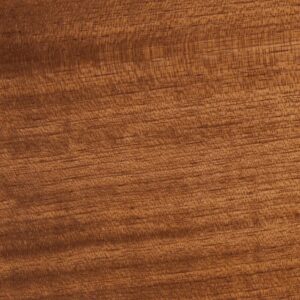
Spanish Cedar (Cedrela odorata) is a tropical hardwood species native to the Americas, particularly Central and South America. Despite its name, Spanish Cedar is not a true cedar but rather a member of the mahogany family (Meliaceae). It is known for its distinct aroma, straight grain, and workability. Here are some key characteristics and uses of Spanish Cedar timber
| Color and Appearance | Spanish Cedar typically has a light pink to reddish-brown color. The wood may darken with age to a more reddish-brown hue. It has a straight grain and a fine, even texture |
| Aroma | One of the notable features of Spanish Cedar is its distinctive sweet and cedar-like aroma. This aroma can persist even after the wood is processed |
| Density and Workability | Spanish Cedar is a lightweight to moderately dense wood with good workability. It is easy to cut, shape, and finish. The wood also has good stability and low shrinkage |
| Durability | While not highly durable for outdoor use, Spanish Cedar has natural resistance to decay and is relatively resistant to termites |
| Applications | – **Cabinetmaking:** Spanish Cedar is commonly used in the production of cabinets and fine furniture. – **Millwork:** It is used for interior millwork, including moldings and trim. – **Humidors:** The wood’s aroma and resistance to insects make it a popular choice for constructing cigar humidors. – **Boat Building:** Spanish Cedar is used in boat building, particularly for the construction of interiors and cabinetry. – **Musical Instruments:** It is sometimes used in the construction of musical instruments, such as guitars and ukuleles. |
| Veneer | Spanish Cedar is sliced or peeled to produce decorative veneers used in furniture making and interior finishes |
| Aromatic Properties | Spanish Cedar’s pleasant aroma makes it desirable for use in applications where the wood’s scent can be appreciated, such as in closets, chests, or humidors |