

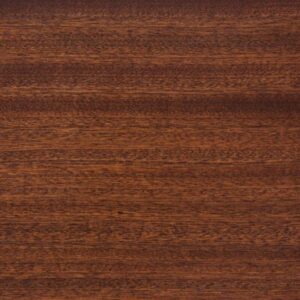
Sapele (Entandrophragma cylindricum) is a hardwood timber species native to tropical Africa, particularly West and Central Africa. It is a member of the mahogany family (Meliaceae) and is known for its attractive appearance, stability, and versatility. Here are some key characteristics and uses of Sapele timber:
| Color and Appearance: | Sapele timber typically has a reddish-brown to dark brown color with a well-defined grain pattern. The wood can exhibit a variety of figures, including ribbon-stripe, pommele, and quilted patterns. |
| Density and Hardness | Sapele is a moderately dense and hard hardwood, providing good strength and durability. It is considered one of the heavier African hardwoods |
| Workability | Sapele is generally easy to work with both hand and machine tools. It has good machining properties and finishes well. However, the wood may contain interlocked grain, which can sometimes result in tearout during plaining |
| Durability | Sapele is moderately durable, showing resistance to decay and insects. It performs well in various environmental conditions |
| Applications | – **Furniture:** Sapele is commonly used in the production of furniture, cabinetry, and interior woodwork. – **Doors and Windows:** The wood is suitable for the construction of doors and windows. – **Flooring:** Sapele is used for hardwood flooring due to its durability and attractive appearance. – **Veneer:** Sapele is often sliced or peeled to produce decorative veneers for use in furniture and panelling. – **Musical Instruments:** Sapele is used in the construction of musical instruments, including guitars and other string instruments. |
| Boat Building | Sapele is employed in boat building, particularly for parts that are above the waterline. Its resistance to decay makes it suitable for marine applications |
| Exterior Construction | While primarily used for interior applications, Sapele can also be used in exterior construction projects such as outdoor furniture, decking, and cladding |